
What a supper club is
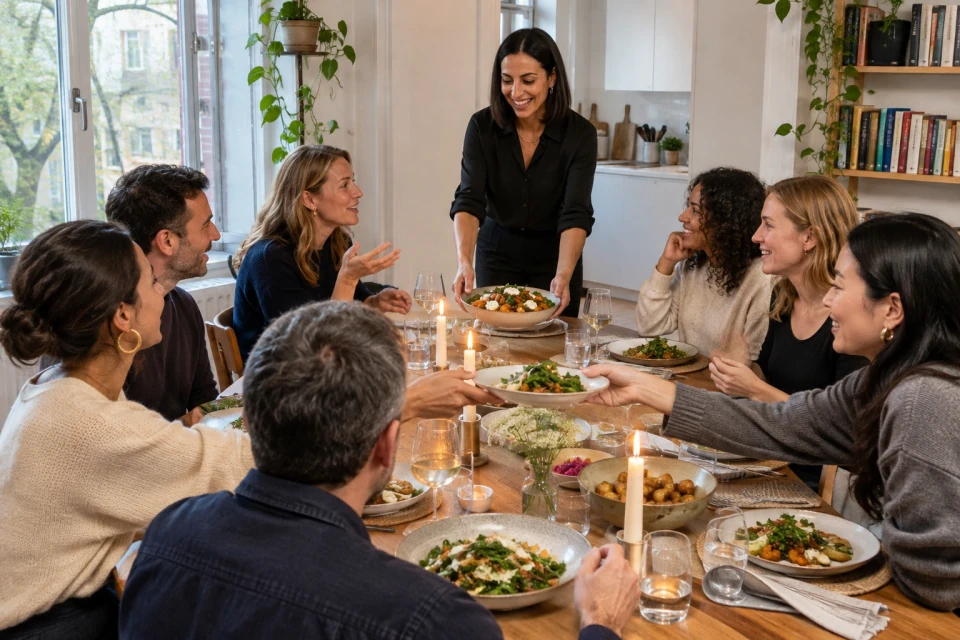
The term "supper club" may evoke images of cozy, candlelit dinners or perhaps a nostalgic Midwest tradition. But what exactly is a supper club? Merriam-Webster defines one sense of the term as a nightclub, with a first known use dating back to 1844. The hosted-dinner meaning is current usage rather than a dictionary sense, and it refers to a different, more intimate dining experience. Today, supper clubs can range from traditional Wisconsin establishments serving hearty meals to modern, hosted dinners in private homes or roving pop-up locations. We run dinners and socials ourselves, and we say so where it matters. Understanding these two meanings is key to grasping the essence of a supper club and its appeal.
The Wisconsin supper club tradition
The Wisconsin supper club is the older meaning, and the more specific one. Travel Wisconsin, the state tourism office, sums up the tradition in four phrases: "Relish trays. Juicy steaks. From-scratch side dishes. Ice cream drinks." Many of Wisconsin's oldest supper clubs began as simple roadhouses with more choices of alcohol than food, often situated near picturesque lakeshores, forests, or farmland. These settings provided a serene backdrop for diners to enjoy a leisurely meal and socialize.
Travel Wisconsin credits the first supper club to a Milwaukee native, Lawrence Frank, who opened it in Beverly Hills in the 1930s. Filmmaker Holly De Ruyter, in a PBS Wisconsin interview, notes that supper clubs "should serve fish fry's on Friday, prime rib on Saturday, and Chicken on Sundays." This weekly rhythm became a hallmark of the supper club experience, offering a predictable menu.
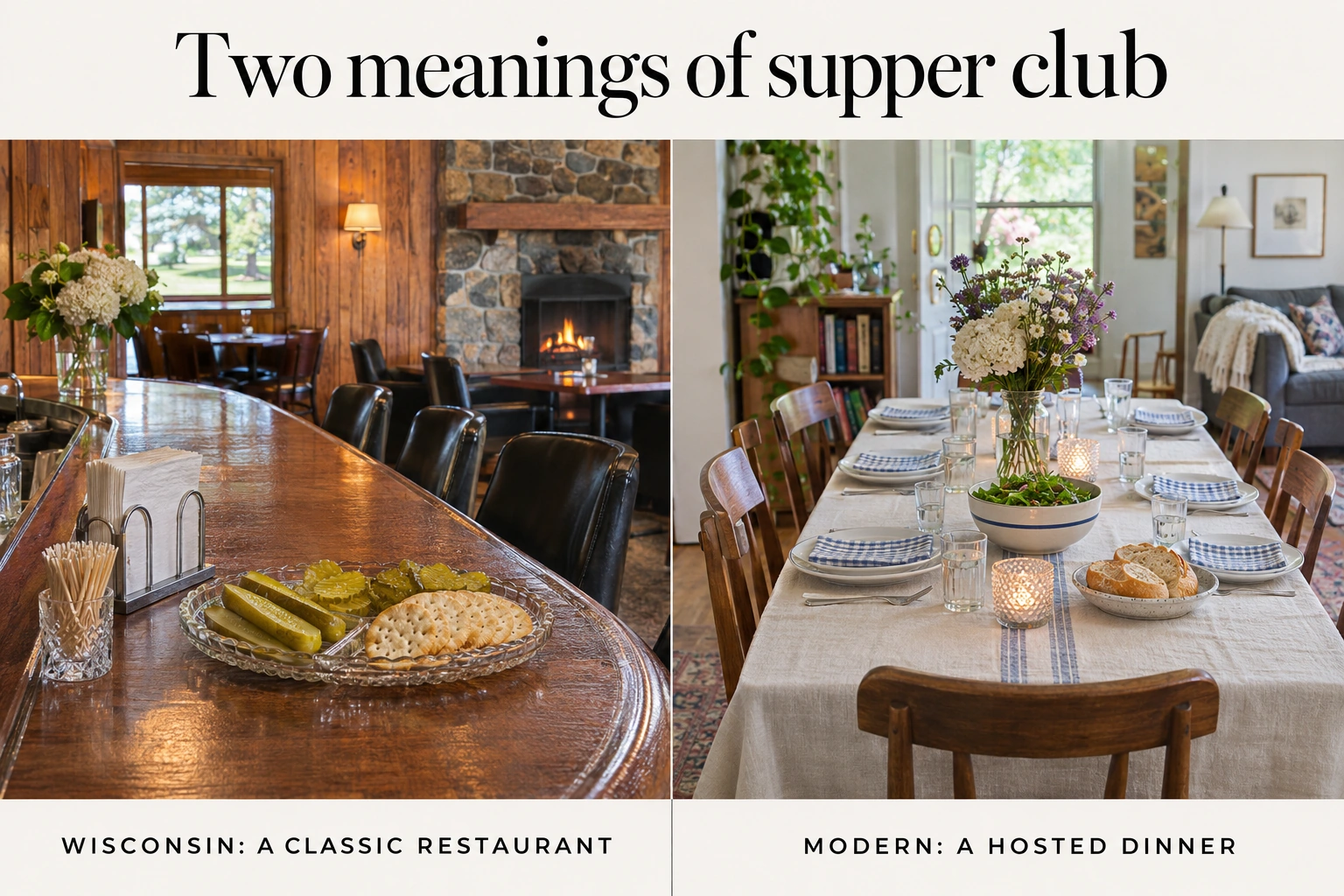
That rhythm is the heart of it. The format is a ritual: the same place, the same days, the same dishes. This consistency creates a sense of familiarity and comfort, making each visit a predictable and enjoyable experience.
The modern supper club: hosted, ticketed, small
The modern supper club has evolved from its Wisconsin roots into a more diverse and dynamic dining experience. In recent years, young chefs have embraced the supper club concept as a way to challenge themselves and connect with diners in a more personal setting. According to Brooklyn Magazine, these supper clubs began as "a challenge to cook for as many people as they could fit into their own apartments" and later expanded to "roving pop-up locations." One such supper club sells tickets "via a lottery-based system," adding an element of exclusivity and anticipation to the dining experience.
Guests at a modern supper club can expect a unique and intimate dining environment. Typically, the dinner is held at one table, with a set menu and strangers seated together. The host, often a chef or culinary enthusiast, plays a central role in creating a warm and inviting atmosphere. The focus is on the quality of the food, the interaction among guests, and the overall dining experience. Unlike a restaurant, the evening is shaped by the host, and the guests are part of it.
Supper club vs restaurant vs members club
A restaurant sells individual meals to anyone who walks in, on demand. A modern supper club, on the other hand, sells a seat at one shared, scheduled meal. A members club charges for ongoing membership and access to a range of events and amenities.
- Restaurant: Walk in, order à la carte, pay for what you eat.
- Supper club: Buy a ticket, join a communal dining experience, often with a fixed menu.
- Members club: Pay a membership fee, gain access to exclusive events and a community.
The key difference lies in the experience and the community. While a restaurant is about convenience and choice, a supper club focuses on a planned, shared meal that often includes storytelling, connection, and a sense of occasion. Members clubs, meanwhile, offer a broader range of benefits and a more permanent community. Our guide to the private members club explains that model in full.
A restaurant suits a night when you want control over who you sit with and what you order. You can choose the ambiance, the cuisine, and the company. A supper club, on the other hand, suits a night when you are happy to hand the choices to a host and sit with strangers. It’s a chance to relax and enjoy a meal someone else has planned. A members club suits someone who wants the same people again and again across many evenings, not just one meal. Before choosing, ask yourself: do you want control, community, or a single good evening?
How to find or join one
Finding a supper club can be a rewarding hunt. Start by checking local event listings, where chefs and hosts often advertise their upcoming dinners. Follow chefs and hosts you admire on social media; many use platforms like Instagram and Facebook to announce their events. Word of mouth is also invaluable, ask friends and colleagues if they know of any local supper clubs.
Another option is to join members clubs that run dinner events. Some members clubs run dinners as part of their calendar; ours sets out how membership works on its own page.
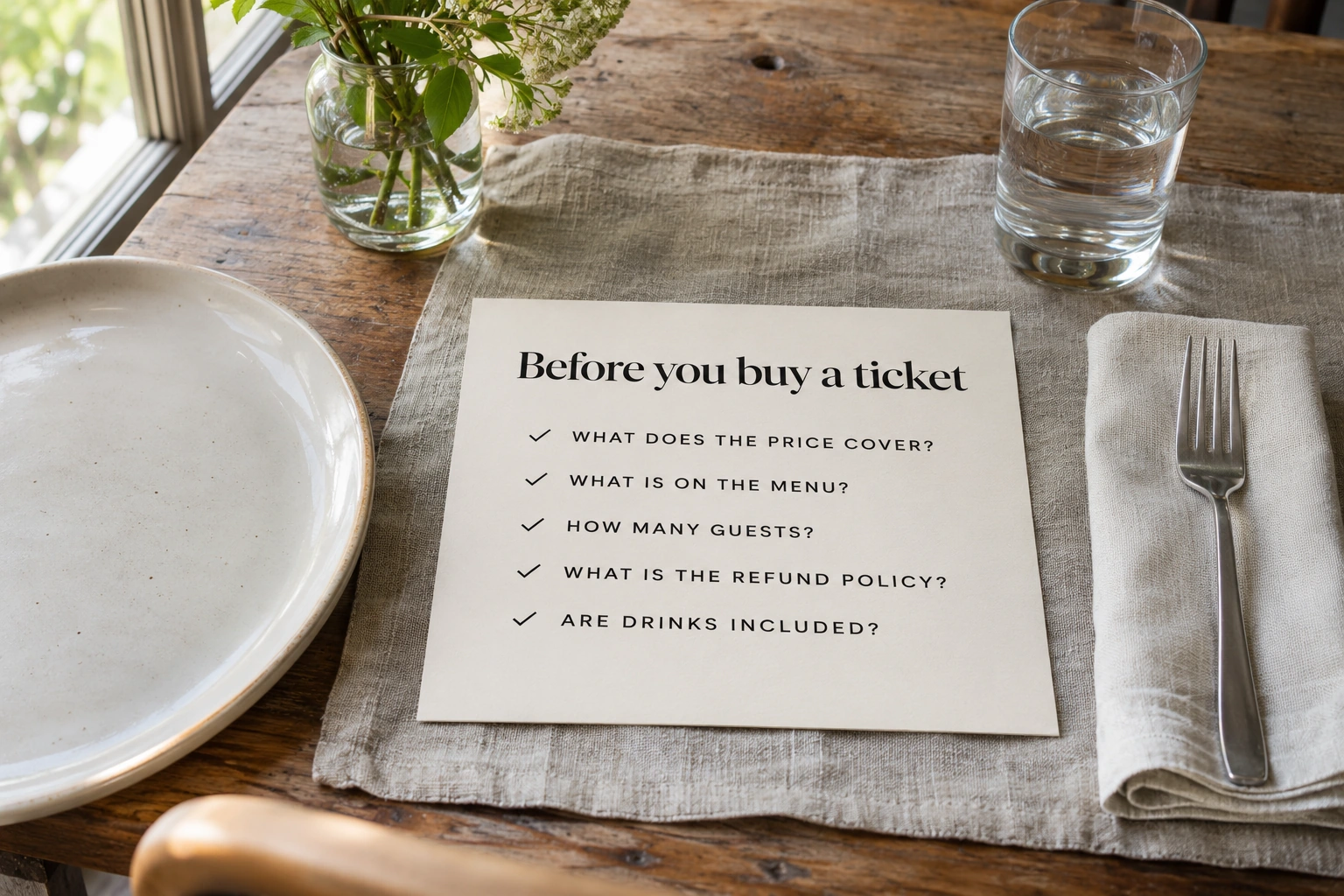
Before buying a ticket, ask about what the price covers. Does it include the meal, drinks, and any additional activities? Inquire about the menu and whether they can accommodate dietary needs. Find out how many guests are expected and what the refund policy is. Alcohol policies can vary, so it's good to ask if drinks are included or BYOB.
Prices vary widely, and we do not quote any here. What matters is knowing what you are paying for and ensure it aligns with your expectations.
Once you've secured a spot at a supper club, the real evaluation begins at the dinner table. Notice how the host introduces guests, do they make an effort to mix the group or let newcomers sit in pairs? A good host will facilitate conversation and ensure everyone feels included. Look for a reason to return, such as a regular schedule or a sign-up list for future events. A successful first dinner should leave you with at least one person you'd be happy to see again, and a sense that the evening was worth your time.
How to start a supper club
Starting a supper club can be a rewarding way to share your passion for food and connect with others. Begin by hosting small dinners with friends and family to get a feel for the format and rhythm. Decide whether you want to keep it free, share the costs, or sell tickets.
To start a supper club, begin by picking a fixed date and a recurring rhythm. This helps build anticipation and makes it easier for guests to plan. Keep the guest list small enough for one table, ensuring a cozy and intimate setting. Cook one menu rather than offering multiple options to simplify the preparation and enhance the shared experience. Decide in advance how costs are shared, whether it’s a fixed contribution or a split bill. Ask about dietary needs when you invite guests, and keep notes on what worked well for future reference.
If you decide to sell tickets, consider the logistics and legal requirements. Selling meals from home is regulated, and the rules vary by state and county. For example, in Los Angeles County, a MEHKO (Micro Enterprise Home Kitchen Operation) is a small-scale, home-based restaurant. You need a Public Health Permit to operate, and you can serve up to 30 meals per day and no more than 90 meals per week. In Massachusetts, a Retail Residential Kitchen can only produce Cottage Food Products, which are foods that can be safely held at room temperature.
These are just two examples; check with your local health department for the rules where you live. This is general information, not legal advice.
Starting small and building a loyal following can help you grow your supper club organically. If the dinner grows into something larger, our guide on how to start a social club covers the next step. Above all, a supper club succeeds by creating a memorable and enjoyable dining experience for your guests.
The practical takeaway
To start a supper club, begin with small, intimate dinners and gradually expand. Understand the local regulations for selling home-cooked meals and ensure you comply with health department rules. Whether you choose to host a free dinner or sell tickets, the goal is to create a shared, memorable dining experience. What is a supper club? It is one table, one menu and the same faces, often enough that they stop being strangers.
If you would like to try a table first, join The Community for free.
When you want a standing seat at ours, apply to The Longevity Social Club.