
Networking events for women can sometimes feel like a necessary evil, full of awkward small talk and thinly veiled sales pitches. The right one, though, can change who you know and what you hear first. With 1.4 million women-owned employer firms in the US, making up 22.9% of the total, the peer group is substantial. The challenge is finding the rooms worth your evening. This guide helps you navigate the landscape of networking events for women, so you can spend your time in places that truly move the needle.
Why women-only rooms are different
Women's networks are not just about gender; they are about creating spaces where women can thrive professionally. A 2019 study from Northwestern University, published in the Proceedings of the National Academy of Sciences, found that women with high network centrality and a female-dominated inner circle had an expected job placement level 2.5 times greater than women with low centrality and a male-dominated inner circle. More than 75% of high-ranking women maintained a female-dominated inner circle or strong ties to 2 to 3 women. This observational study, based on 728 graduates from one business school, links a wide network plus a close inner circle of women with higher job placements.
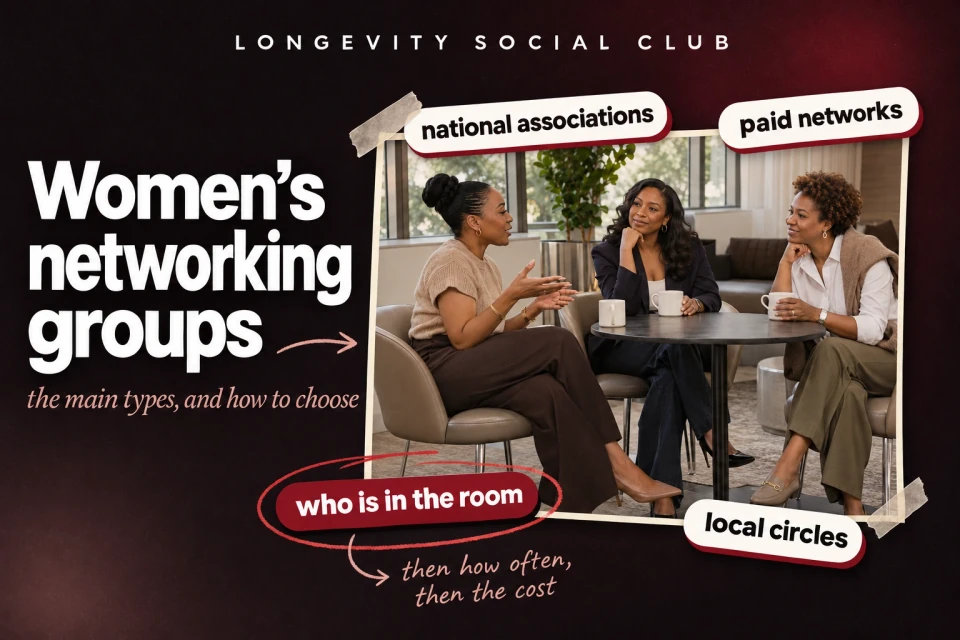
The US Census Bureau's Annual Business Survey, released in November 2025, further underscores the importance of women's networks. Of the approximately 5.9 million US employer firms, 1.4 million (22.9%) are owned by women. That is a large peer group to draw on. A women's network is a community where women can share resources, mentor each other, and collaborate on projects. An earlier Journal piece compares the main types of women's networking groups and what they cost.
The five common formats
Chapter meetings
Chapter meetings, like those organized by the National Association of Women Business Owners (NAWBO), offer a mix of local and national events. NAWBO runs chapter, national, and partner events, both virtual and in person, including a Virtual Connections series. These meetings are ideal for women who want to connect with peers in their local area and engage in regular, structured networking. Whether you're looking to find a mentor, build your business, or simply stay informed about industry trends, chapter meetings provide a consistent and supportive environment.
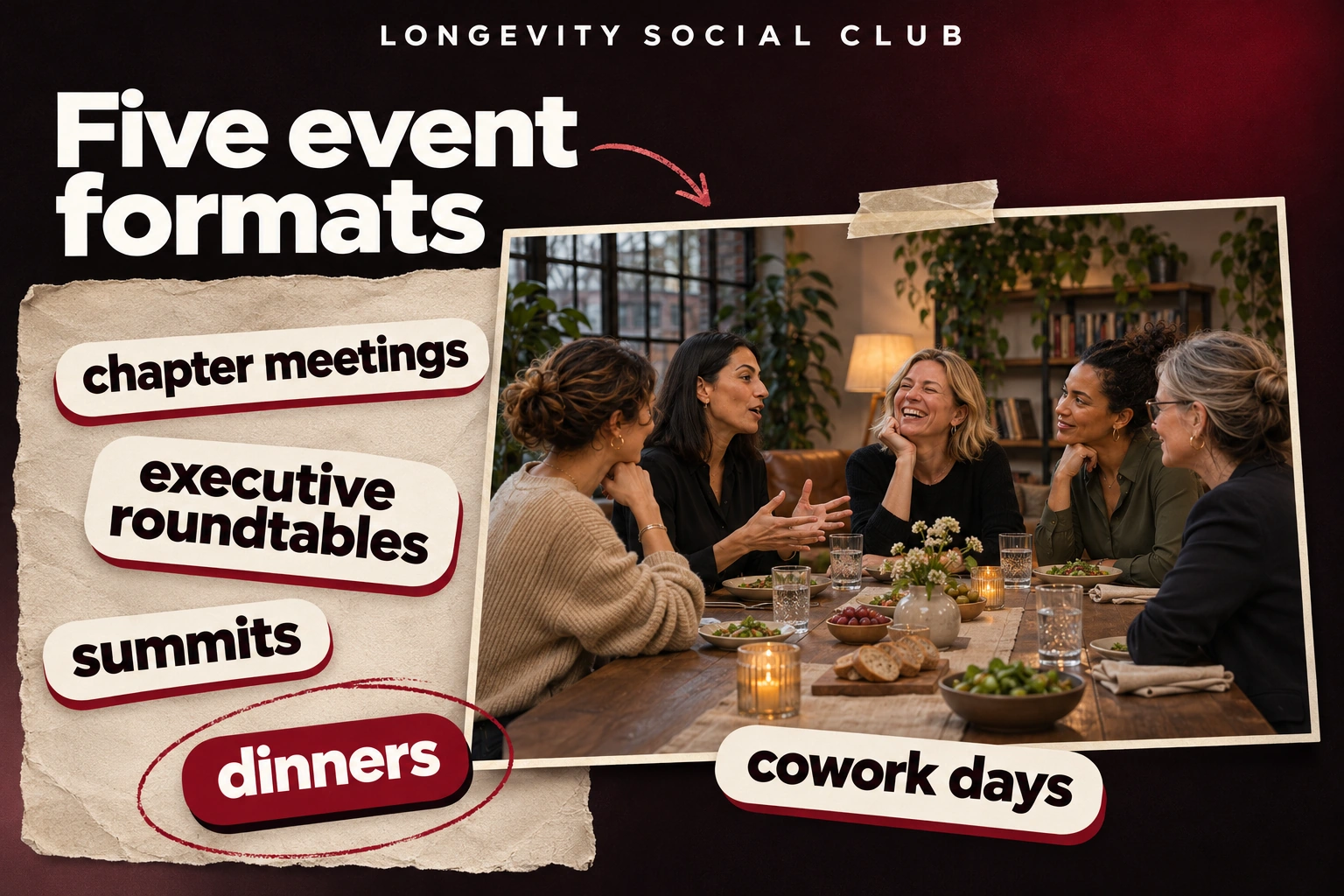
Executive roundtables
Executive roundtables, such as those hosted by Ellevate Network, are designed for women who identify as executives or are at the top of their field. These intimate gatherings offer a space for high-level discussions and peer-to-peer learning. Ellevate's roundtables are particularly useful for women who are looking to connect with other leaders and gain insights into best practices and emerging trends. The format is well-suited for women who are already established in their careers and are seeking to refine their leadership skills and expand their professional network.
Summits
Summits, such as Chief's ChiefX, are the largest of the formats. Chief describes itself as "the most powerful network of senior executive women," and its ChiefX summits are designed to provide a platform for women to connect, learn, and grow. Summits are ideal for women who are looking to make significant professional connections and gain exposure to a wide range of industry leaders and thought leaders.
Dinners
Dinners are small, seated events that provide a more intimate setting for networking. These gatherings often focus on a specific topic or theme and are designed for real conversation. Dinners are particularly useful for women who prefer a more personal and less formal approach to networking. They offer a chance to build strong, one-on-one relationships and can be a great way to get to know potential mentors or collaborators in a relaxed setting.
Cowork days
Cowork days are events where women can work side by side in a shared space. These events are ideal for women who are looking for a collaborative and productive environment. Cowork days provide an opportunity to meet other professionals, share ideas, and work on projects together. They are particularly useful for women who are working on startups or freelance projects and need a sense of community and support. The Longevity Social Club, for example, runs cowork days as part of its event formats, offering a space for members to connect and work together.
How to judge an event before you go
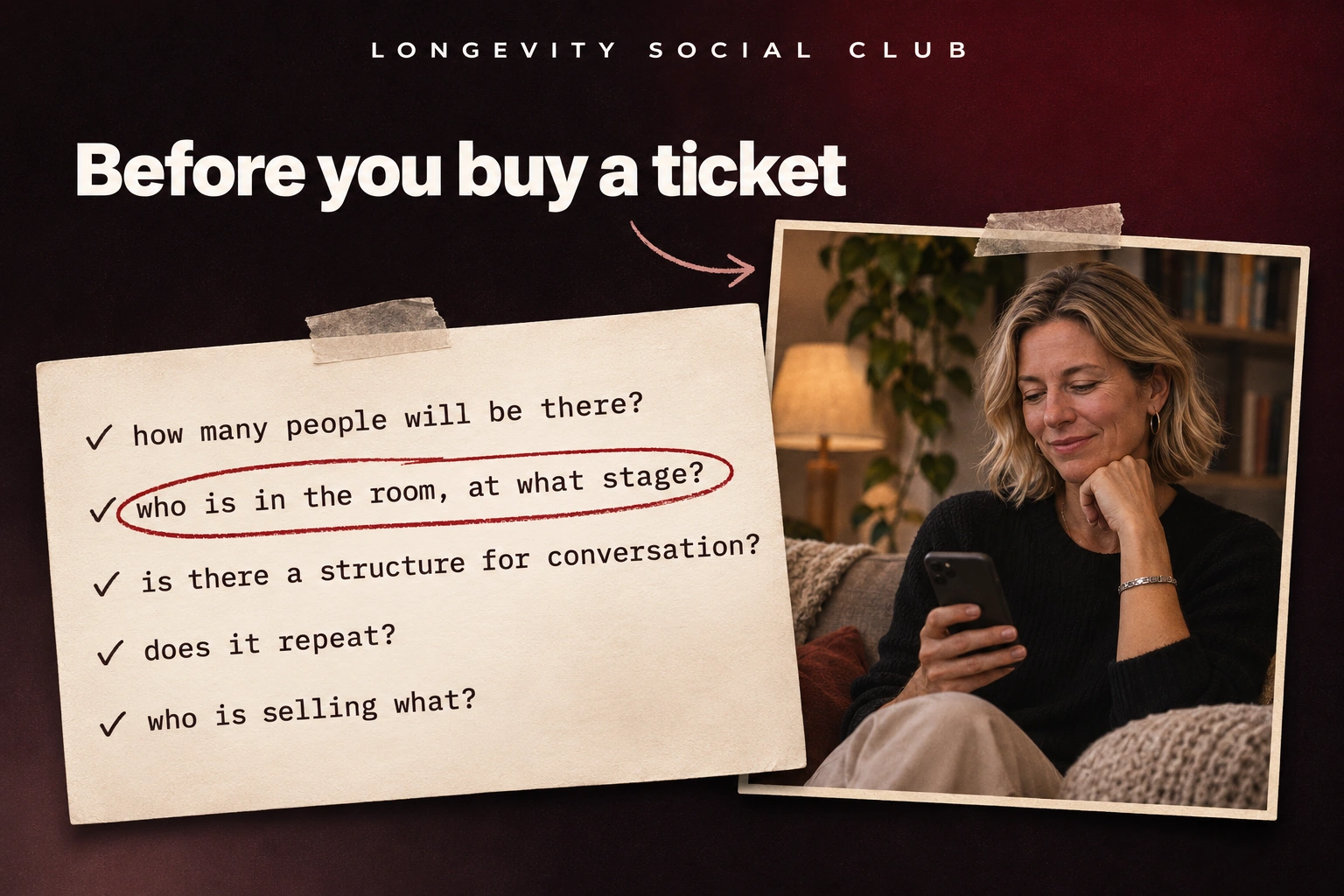
Not all networking events are created equal, and some can indeed feel fake and forced. Here are some questions to ask before buying a ticket:
- How many people are expected to attend? Smaller events are often more intimate and better for real conversation.
- Who is in the room and at what stage of their career? Knowing the demographics of the attendees can help you decide if the event aligns with your professional goals.
- Is there a structure for conversation? Events with facilitated discussions or icebreakers can make it easier to connect with others.
- Does it repeat? Regular events, like chapter meetings or cowork days, can provide ongoing opportunities to build relationships.
- Who is selling what? Be wary of events that are heavily focused on sales pitches or have multiple vendors trying to sell products or services.
What to do in the room
Arrive with a clear plan. Have a list of two or three people you want to meet and one useful thing you can offer them. This could be a piece of information, a connection, or a resource. Being intentional about your goals helps you stay focused and productive. When you meet someone new, start by asking about their current problem. This shows genuine interest and can lead to more meaningful conversations. For example, you might ask, "What's the biggest challenge you're facing right now?" or "What project are you most excited about?" We run the club's dinners, cowork days, and talks, all in small formats to foster deeper connections.
Leaving a conversation cleanly is just as important as starting one. Thank the person for their time and suggest a follow-up. You might say, "It was great talking to you. Can I send you a link to that article I mentioned?" or "I'd love to stay in touch. What's the best way to reach you?" This leaves the door open for future interactions without feeling abrupt.
There is no standard list called the 5 P's of effective networking, but a simple checklist can be just as useful. Know who you want to meet, bring one useful thing to offer, ask about the other person's problem, follow up within days, and go back.
What to wear to a women's networking event? Choose what you would wear to a client meeting. Opt for professional attire that makes you feel confident and comfortable. Avoid anything that needs explaining, such as overly bold accessories or unconventional clothing. Your goal is to be remembered for your ideas and connections, not your outfit.
After the event
Follow up within days with something specific. Send a personalized email or message that references a point from your conversation. For example, "It was great chatting with you about your marketing strategy. I found that article on content trends really helpful and thought you might enjoy it too." This shows that you were attentive and genuinely interested in what they had to say.
The inner-circle finding from the Northwestern University study suggests that repeat contact with a few women matters more than collecting many names. Of the 728 graduates studied, women with high network centrality and a female-dominated inner circle had an expected job placement level 2.5 times greater than those with low centrality and a male-dominated inner circle. More than 75% of high-ranking women kept a female-dominated inner circle or strong ties to 2 to 3 women. This is an observational study, not a promise, but it points toward depth over breadth.
Go back to the same room more than once. Building a strong network takes time and consistency. Regular attendance at the same events can help you establish deeper relationships and become a familiar face. This can lead to more opportunities and a stronger support system. We are built around repeat rooms rather than one-off tickets, with membership tiers designed for long-term engagement.
Where to find them
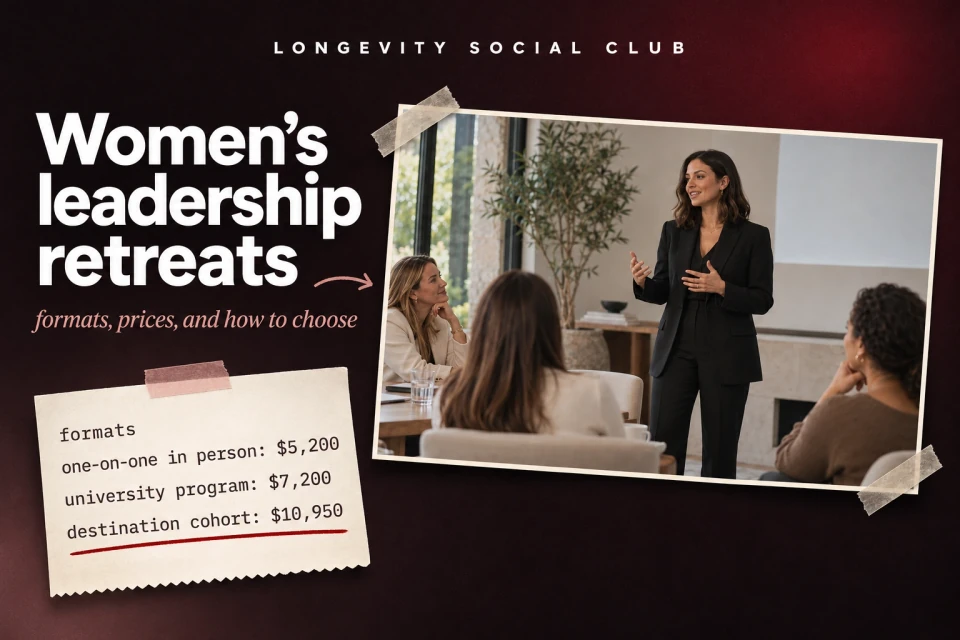
National organizations such as NAWBO (National Association of Women Business Owners) run chapter, national, and partner events, both virtual and in person. Their Virtual Connections series is a great starting point for networking without the need to travel. Executive networks like Chief describe themselves as "the most powerful network of senior executive women" and offer formats such as ChiefX summits, roundtables, and professional chapters. Ellevate Network's Executive Roundtables are designed for women who identify as executives, "women at work who are at the top of their field." An earlier Journal piece looks at how to choose a women's leadership retreat, the longest format of all.
Local founder communities and member clubs can also be valuable resources. Look for groups that run dinners, cowork days, and talks. These formats often provide more intimate and focused networking opportunities. Start with chapters in your city and ask who else goes. Reddit threads in women's founder communities often discuss the effectiveness of various networking events and can provide candid insights from peers.
The practical takeaway
Networking events for women are more effective when you arrive with clear goals and a useful offering. Follow up promptly and focus on building deeper ties with a few key people. Attend the same events regularly to establish yourself in the community.
If you would rather have one room you keep coming back to, apply to The Longevity Social Club.